

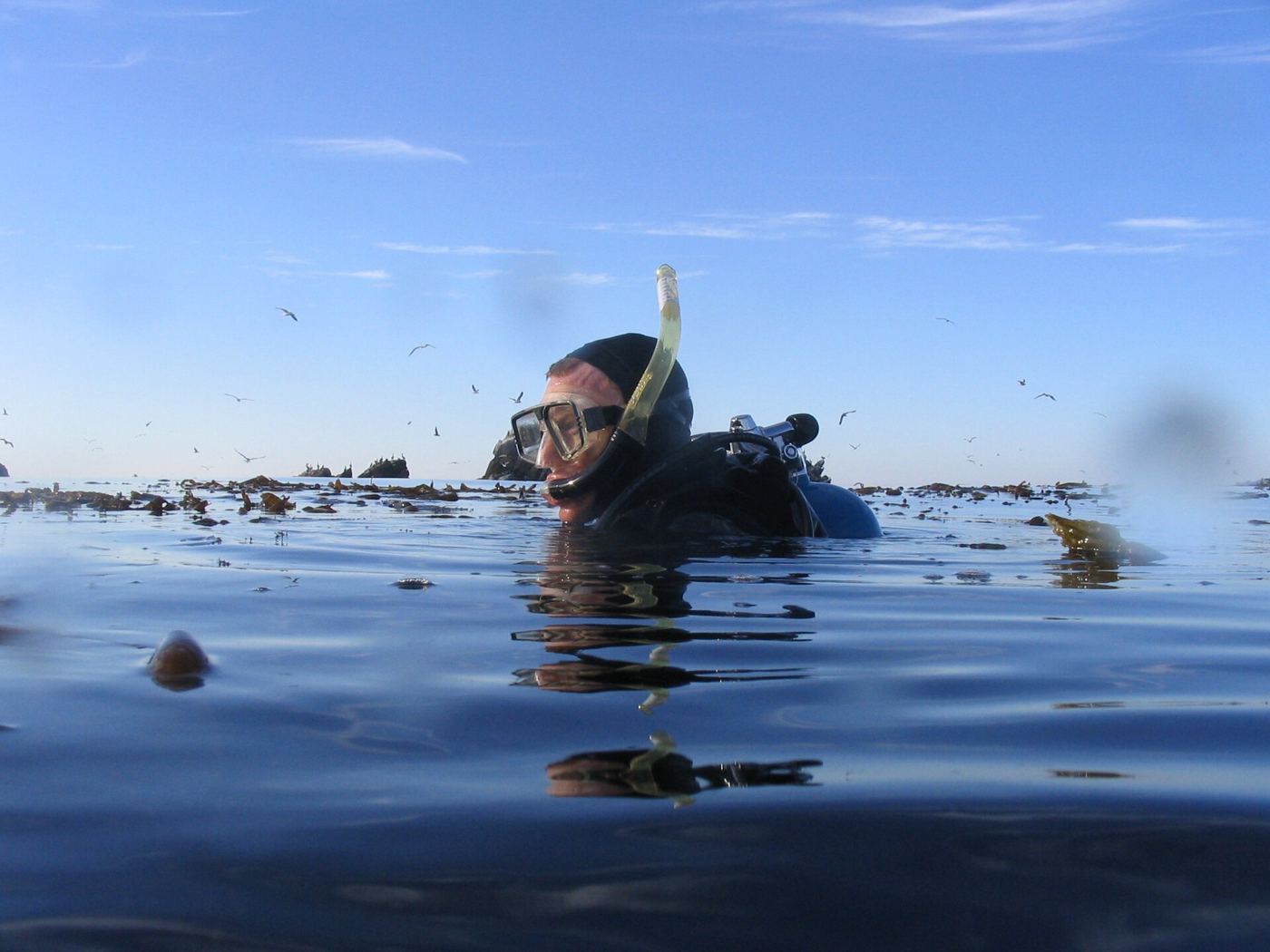
For many coastal fish, the first months of life are spent hiding, and kelp forests are among the best hiding places in the sea. Fisheries scientists studying nursery grounds note that dense kelp canopies slow predators, offer food in the form of small invertebrates, and provide shade and shelter for juvenile fish that later move offshore as adults. When kelp thins, those young fish are exposed in open water, and fewer survive to join commercial and recreational catches. The link helps explain why the health of nearshore forests matters well beyond the divers and kayakers who visit them, reaching into harbour economies miles away. That dependence makes kelp loss a fisheries issue as much as a conservation one, a connection coastal communities are beginning to plan around together.
What the Evidence Shows
Researchers are now tracing that connection more precisely, following young fish from kelp beds to adult grounds using tagging, surveys and catch records. The picture emerging is that kelp does not help every species equally: some rely on the forest itself, others on the rocky reefs beneath it, and many use a mosaic of kelp, seagrass and reef across a season. That complexity argues for protecting whole coastal habitats rather than single patches. Fisheries managers say kelp conservation is increasingly discussed alongside quotas and gear rules, because a fishery built on healthy nursery habitat is more resilient when weather, markets or stocks fluctuate from year to year. Protecting nurseries will not solve overfishing or warming seas, scientists add, but it strengthens one of the few foundations of a fishery that management can directly defend. Reporting and analysis from sources such as Nature track the same developments, and specialists following kelp forests as fish nurseries say the direction is now consistent across independent lines of evidence.
The Wider Context
The wider context is a research landscape in which replication and open data now decide reputations. Findings connected to kelp forests as fish nurseries are being checked by independent groups with shared datasets, and the teams involved publish their methods in full so rivals can test every step. That discipline is slower than a headline cycle, but it is why results in this area increasingly survive first contact with scrutiny.
What Happens Next
What happens next in the story of kelp forests as fish nurseries will be decided by follow-up work already under way: larger samples, longer observation and instruments that have not yet come online. The researchers involved are unusually united on one point, that the current results justify the next investment of time and money. Readers will not have to wait long for the first tests of that claim. You can follow related developments in our coverage of science.
None of this will be settled by a single announcement, study or product launch. The pattern to watch is accumulation: independent confirmations, honest reporting of failures and steady improvement in the underlying numbers. Readers who follow those signals, rather than the loudest claim of the week, will understand this subject better than most of the commentary surrounding it suggests is possible.
