

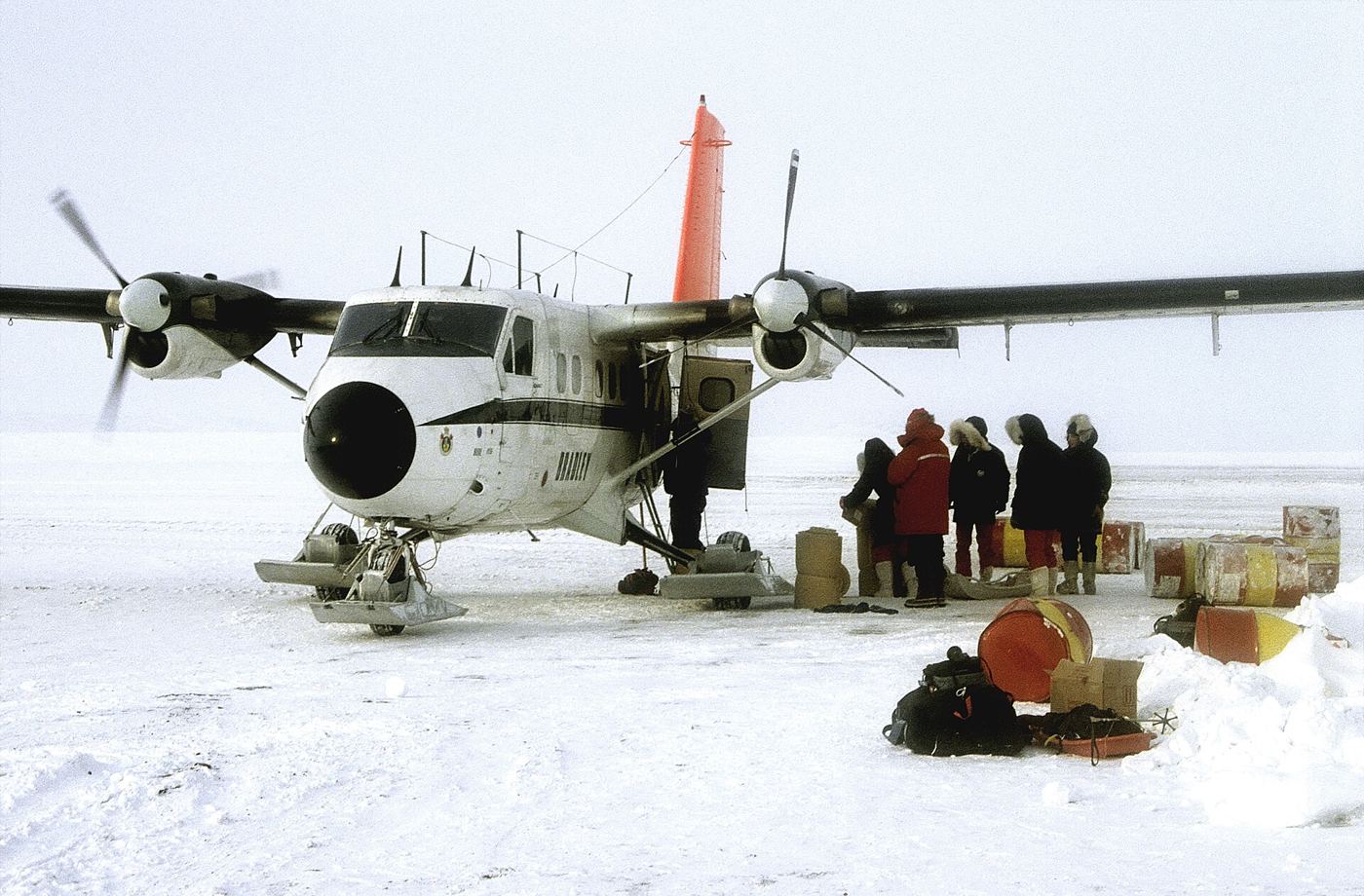
As darkness returns to the high Arctic, scientists are beginning the critical winter season of sea ice monitoring that will set conditions for the year ahead. Ice that forms over the coming months protects coastal communities, reflects sunlight, and provides habitat for seals, bears, and the food webs beneath the surface. Researchers track thickness as closely as extent, because thin first year ice melts far faster in spring than older, thicker floes. Buoys, aircraft surveys, and satellites now work together to build a fuller picture of how the ice pack is changing through the polar night. The international effort also supports shipping forecasts and weather prediction far beyond the Arctic, because polar conditions influence patterns across the northern hemisphere.
What the Evidence Shows
Early winter growth depends heavily on air temperatures, winds, and ocean heat carried in from lower latitudes, all of which vary from week to week. Scientists caution against reading too much into a single cold spell or storm, which can push ice around without adding lasting thickness. What matters most is the pattern across the whole basin by late winter, when the ice reaches its seasonal maximum. Indigenous observers and coastal residents contribute vital local knowledge about currents, pressure ridges, and safe travel routes. Their observations help validate satellite data and ground the science in lived experience of a rapidly changing region. The data collected this winter will also feed into long term climate records, helping researchers separate natural variability from the sustained decline observed across recent decades of satellite measurements. Reporting and analysis from sources such as Nature track the same developments, and specialists following winter Arctic sea ice growth say the direction is now consistent across independent lines of evidence.
The Wider Context
The wider context is a research landscape in which replication and open data now decide reputations. Findings connected to winter Arctic sea ice growth are being checked by independent groups with shared datasets, and the teams involved publish their methods in full so rivals can test every step. That discipline is slower than a headline cycle, but it is why results in this area increasingly survive first contact with scrutiny.
What Happens Next
What happens next in the story of winter Arctic sea ice growth will be decided by follow-up work already under way: larger samples, longer observation and instruments that have not yet come online. The researchers involved are unusually united on one point, that the current results justify the next investment of time and money. Readers will not have to wait long for the first tests of that claim. You can follow related developments in our coverage of science.
None of this will be settled by a single announcement, study or product launch. The pattern to watch is accumulation: independent confirmations, honest reporting of failures and steady improvement in the underlying numbers. Readers who follow those signals, rather than the loudest claim of the week, will understand this subject better than most of the commentary surrounding it suggests is possible.
