

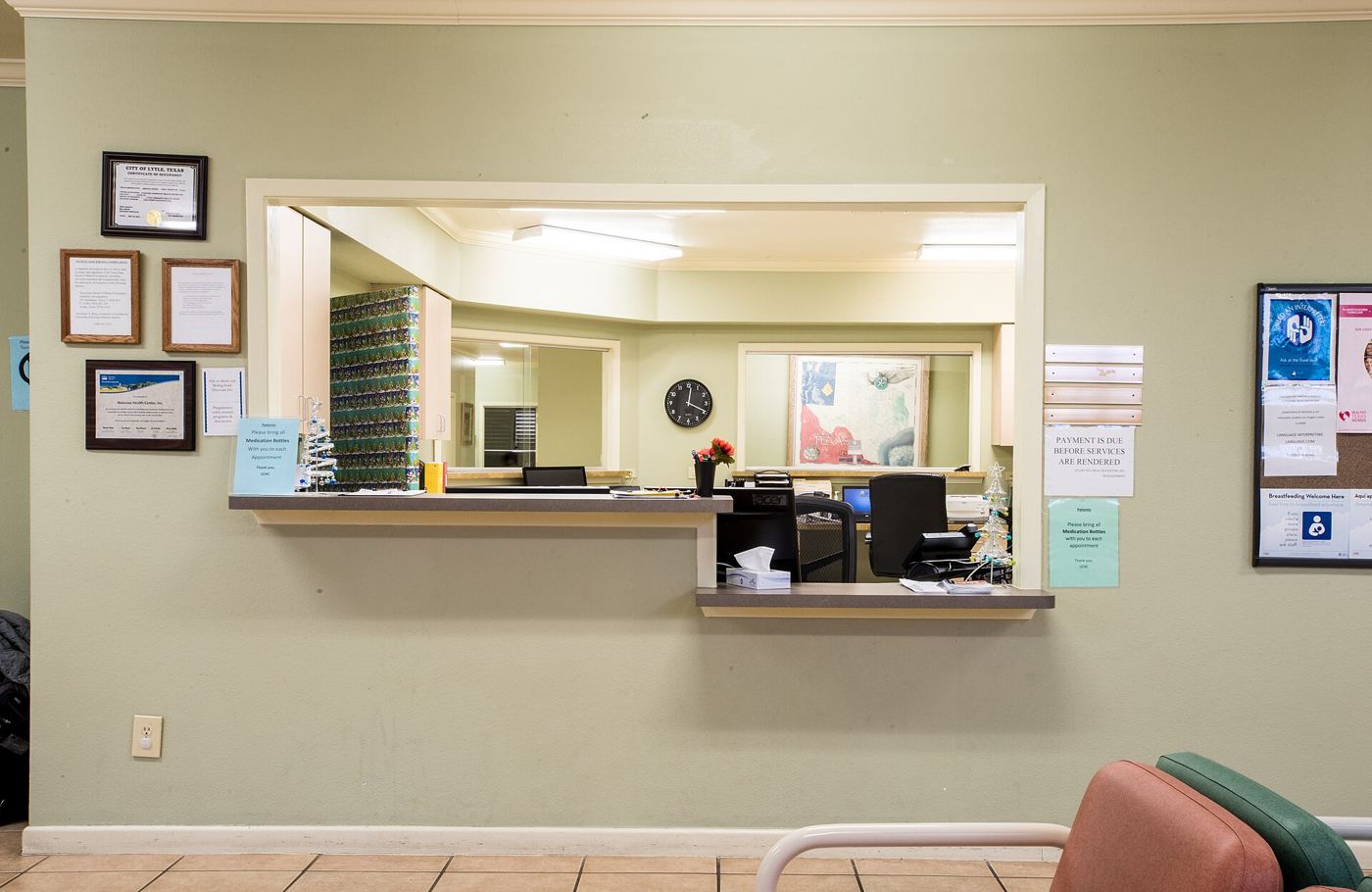
To anyone sitting in a busy clinic waiting room, it can feel puzzling when someone who arrived later is called through first. The reason is usually triage, the system staff use to sort patients by clinical need rather than arrival time alone. A person with chest pain, severe breathlessness, or a very unwell baby will rightly be prioritised over a routine review, even if they arrived minutes ago. Reception and nursing teams gather brief details at booking or arrival to make those decisions safely. Clinic managers say explaining triage openly reduces frustration, because most patients understand fairness differently once they know urgent cases are being spotted and moved forward quickly. Managers add that triage decisions are reviewed regularly by senior clinicians, ensuring the system stays safe, consistent, and fair even during the busiest winter sessions.
What the Evidence Shows
Triage does not mean other patients have been forgotten. Staff continually reassess the waiting room, and patients are encouraged to tell reception if their symptoms worsen while they wait, since that information can change their priority. Clinics increasingly display simple notices explaining the system, along with typical waits for routine appointments. Managers note that seeing the most suitable professional also speeds things up; a nurse, pharmacist, or paramedic may be the best person for a particular problem. When patients book, giving a short, honest summary of the issue helps the team direct them correctly the first time, reducing delays for the whole waiting room on busy days. Clinics ask for patience and honesty in return, noting that accurate information at booking protects everyone, including the patient whose condition might otherwise be underestimated at first. Reporting and analysis from sources such as The Lancet track the same developments, and specialists following how clinic triage prioritises patients say the direction is now consistent across independent lines of evidence.
The Wider Context
Equity runs through every discussion of how clinic triage prioritises patients. Interventions that require apps, fees or free weekday afternoons reliably reach the people who need them least, so the programmes earning praise are those designed around clinics, workplaces and community venues that already serve everyone. Evaluation reports now publish uptake by income and region as a matter of routine.
What Happens Next
The practical takeaway on how clinic triage prioritises patients is deliberately unglamorous: it works best as part of ordinary, well-delivered care rather than as a standalone fix. Health services are planning on that basis, building the referral routes and follow-up that turn a promising result into population benefit. The gains arrive slowly and then, in the statistics, unmistakably. You can follow related developments in our coverage of health.
It is also worth remembering how quickly the picture in this area has changed before. Positions that looked settled a few years ago have been revised as new data arrived, and the same humility is appropriate now. The strongest coverage of this subject, and the most useful advice, tends to come from sources that update their views openly when the facts move, rather than defending an earlier position long after it has stopped fitting the evidence available.
