

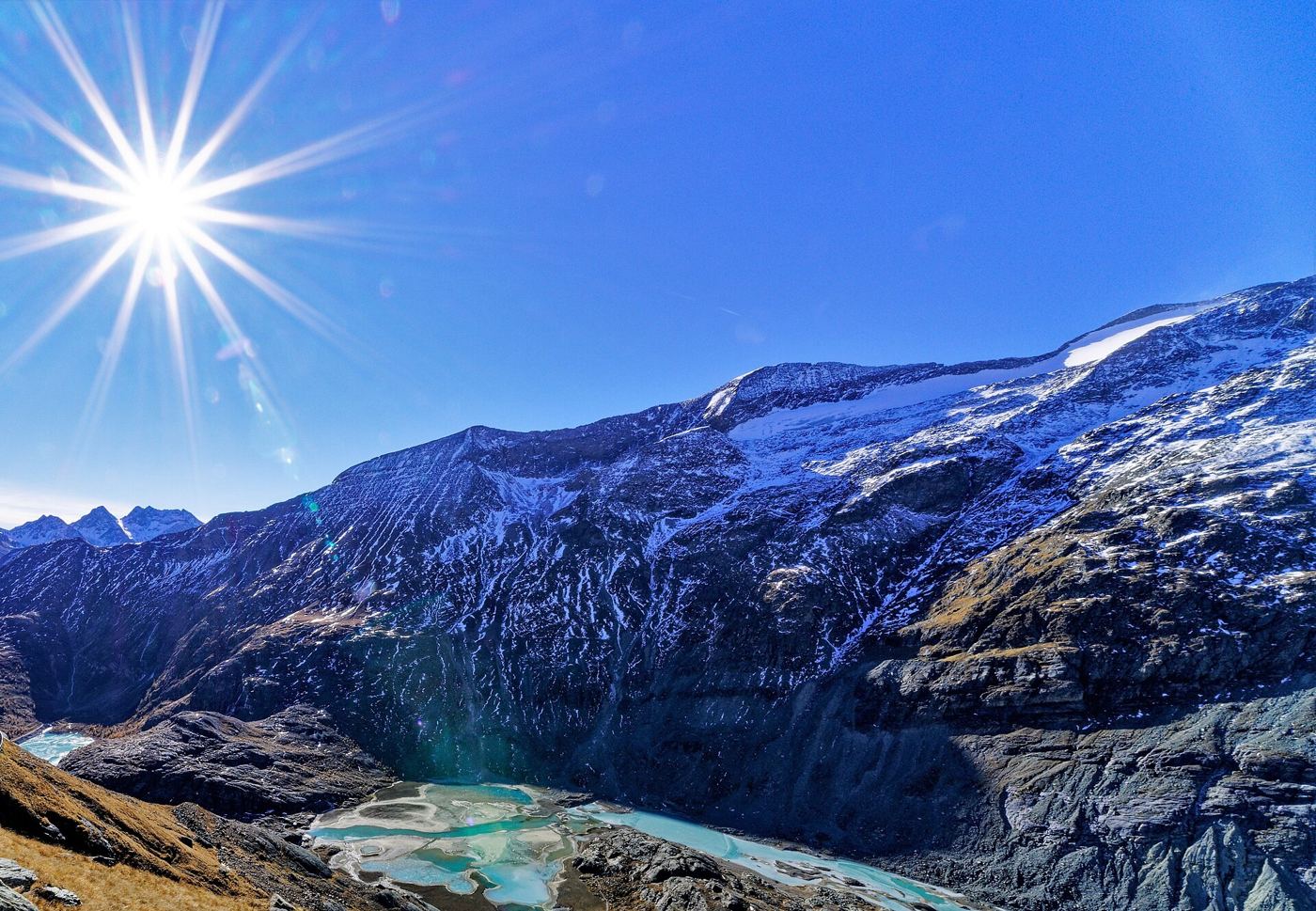
High in mountain ranges around the world, meltwater is collecting in lakes held back by loose rock and ice left behind by retreating glaciers. Geologists call these glacial lakes, and many are growing as glaciers thin and summers bring more melt into steep valleys. The lakes themselves can be strikingly beautiful, often milky turquoise from fine rock flour, but researchers monitor them closely because a sudden breach of a natural dam can send floodwater downstream with little warning. For villages, farms, roads and hydropower plants in the valleys below, understanding how fast a lake is changing has become an essential part of mountain safety planning. Satellite records extending back several decades help scientists separate a single wet season from a lasting trend, and they also show how quickly a small pond can become a substantial lake when a glacier retreats up a steep, confined valley floor.
What the Evidence Shows
Monitoring now combines satellite imagery, ground sensors and field visits, allowing teams to track lake volume, dam stability and seasonal changes without relying on a single annual survey. Scientists are careful to put the risk in context, noting that most glacial lakes remain stable for long periods and that early warning systems, drainage works and land-use planning can reduce danger considerably. The work also reveals how quickly high mountain landscapes are being reshaped, valley by valley. As monitoring improves, local authorities gain something valuable and unglamorous, which is time to prepare, to warn residents clearly, and to make better decisions about building in flood-prone places. Where risks are judged higher, engineers may recommend controlled drainage, stronger downstream defences or restrictions on new building, and those decisions work best when communities are involved early and understand the evidence behind them in plain, accessible language. Reporting and analysis from sources such as Nature track the same developments, and specialists following glacial lake monitoring say the direction is now consistent across independent lines of evidence.
The Wider Context
The wider context is a research landscape in which replication and open data now decide reputations. Findings connected to glacial lake monitoring are being checked by independent groups with shared datasets, and the teams involved publish their methods in full so rivals can test every step. That discipline is slower than a headline cycle, but it is why results in this area increasingly survive first contact with scrutiny.
What Happens Next
What happens next in the story of glacial lake monitoring will be decided by follow-up work already under way: larger samples, longer observation and instruments that have not yet come online. The researchers involved are unusually united on one point, that the current results justify the next investment of time and money. Readers will not have to wait long for the first tests of that claim. You can follow related developments in our coverage of science.
None of this will be settled by a single announcement, study or product launch. The pattern to watch is accumulation: independent confirmations, honest reporting of failures and steady improvement in the underlying numbers. Readers who follow those signals, rather than the loudest claim of the week, will understand this subject better than most of the commentary surrounding it suggests is possible.
