

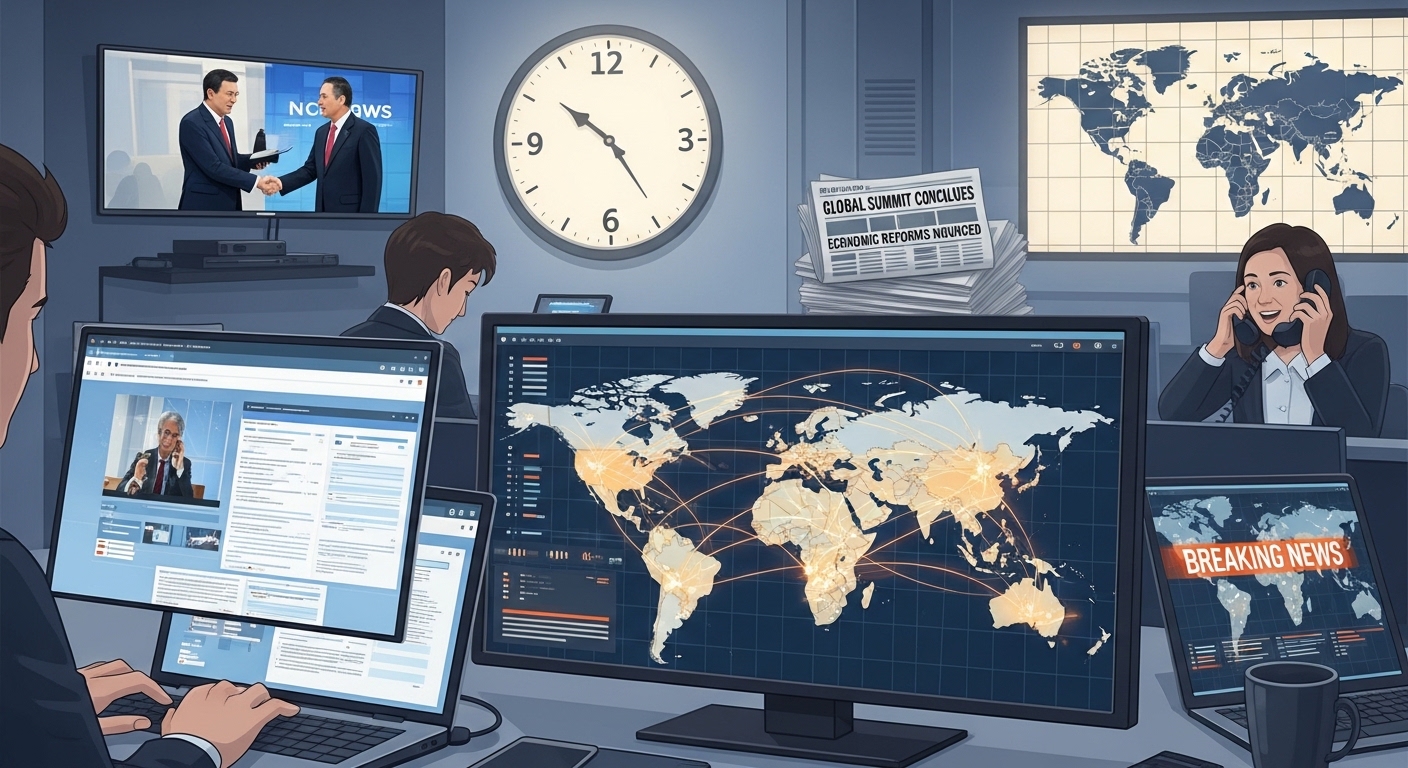
Global politics in 2026 is being driven by major leadership struggles, rising geopolitical tensions, new wars, and shifting alliances between major powers. Countries across Europe, Asia, and the Americas are facing internal political pressure while global superpowers reshape international relations.
Global Power Rivalries and Diplomacy
US–China Strategic Competition
A major focus of world politics is the evolving rivalry between the United States and China. Recent high-level meetings between leaders in Beijing highlighted cooperation attempts on trade, AI governance, and global security, but deep tensions remain over Taiwan, trade, and military influence.
Shift Toward Multipolar World Order
Global analysts note that the world is moving away from a single dominant superpower toward a multipolar system, where multiple blocs like the US, China, EU, and emerging economies share influence.
Trade and Economic Policy Battles
New global agreements and tariff reforms are reshaping alliances, especially between Europe, Asia, and North America, as countries compete for economic dominance and supply chain control.
Middle East and Security Tensions
Ongoing instability in regions like the Middle East continues to influence global diplomacy, with energy security and military positioning playing key roles in international negotiations.
Global Climate and Policy Cooperation
Climate change agreements remain a political priority, but nations are divided on funding responsibilities and carbon reduction commitments.
Europe and UK Political Crisis
Leadership Instability in UK Politics
The UK is experiencing serious political turbulence, with leadership challenges, internal party divisions, and declining public trust affecting governance stability.
Rising Opposition Movements
New political movements and opposition leaders are gaining momentum, increasing pressure on traditional parties and reshaping election dynamics across Europe.
Economic Pressure on Governments
High debt levels and rising cost-of-living issues are forcing governments to introduce controversial tax reforms and spending cuts.
Elections Across Europe
Recent elections in several European countries show shifting voter behavior, with rising support for both populist and reformist political parties.
Policy Division on Immigration
Immigration remains a major political issue, dividing governments and shaping election campaigns across Europe.
United States Political Developments
Foreign Policy Realignment
The US is actively adjusting its global strategy, focusing on relationships with China, Europe, and key allies in Asia and the Middle East.
Domestic Political Polarization
Internal political division continues to increase, with major debates over healthcare, immigration, and economic policy.
Election Strategy Shifts
Political parties are focusing heavily on digital campaigns, social media influence, and voter engagement strategies.
Economic Policy Debates
Inflation control, taxation, and job creation remain central political issues shaping government decisions.
Defense and Military Spending
The US continues to expand defense investments due to global security concerns and rising geopolitical tensions.
Asia-Pacific Political Trends
China’s Expanding Influence
China is strengthening its diplomatic and economic presence globally through trade partnerships and infrastructure investment strategies.
India’s Growing Global Role
India continues to expand its influence in global trade, technology, and diplomatic relations with major world powers.
Regional Security Challenges
Tensions in the South China Sea and surrounding regions remain a key geopolitical concern.
Free Trade Agreements Expansion
Countries in Asia-Pacific are signing new trade agreements to strengthen economic cooperation and reduce dependency on single markets.
Political Stability in Emerging Economies
Several emerging economies are focusing on internal reforms to maintain political stability and economic growth.
Global Conflict and Security Issues
Ongoing Regional Conflicts
Several active conflicts around the world continue to influence global diplomacy and security decisions.
Cybersecurity and Political Warfare
Cyberattacks and digital misinformation campaigns are becoming major tools in modern geopolitical conflicts.
Military Alliances Strengthening
NATO and other alliances are increasing cooperation due to rising global security risks.
Defense Technology Advancement
Countries are investing heavily in AI-driven military systems and advanced defense technologies.
Humanitarian Crisis Response
Global organizations are working to respond to displacement and humanitarian crises caused by ongoing conflicts.
Economic Politics and Global Trade
Inflation and Cost Crisis Policies
Governments worldwide are introducing new policies to control inflation and stabilize economies.
Global Trade Restructuring
Supply chains are being redesigned to reduce dependency on single countries and improve resilience.
Energy Politics Shift
Energy production and renewable transition policies are heavily influencing international relations.
Digital Currency Regulation
Governments are working on regulating cryptocurrencies and central bank digital currencies.
Labor and Tax Reforms
Major tax reforms are being debated globally to address inequality and economic growth challenges.
FAQs
What is the biggest global political trend right now?
The rise of multipolar global power and US–China rivalry is the biggest trend.
Why is UK politics unstable in 2026?
Leadership struggles, economic pressure, and internal party divisions are causing instability.
How is China influencing global politics?
Through trade expansion, diplomacy, and infrastructure investments worldwide.
Are global conflicts increasing?
Yes, regional conflicts and geopolitical tensions remain high in several areas.
What is multipolar world order?
It means multiple global powers share influence instead of one dominant superpower.
Conclusion
Latest politics updates show a world undergoing major transformation, driven by shifting global power structures, rising geopolitical tensions, and internal political changes within major countries. From US–China competition to European leadership crises and Asia-Pacific growth, global politics is becoming more complex and interconnected. These developments are shaping a new world order where cooperation and competition exist side by side.