

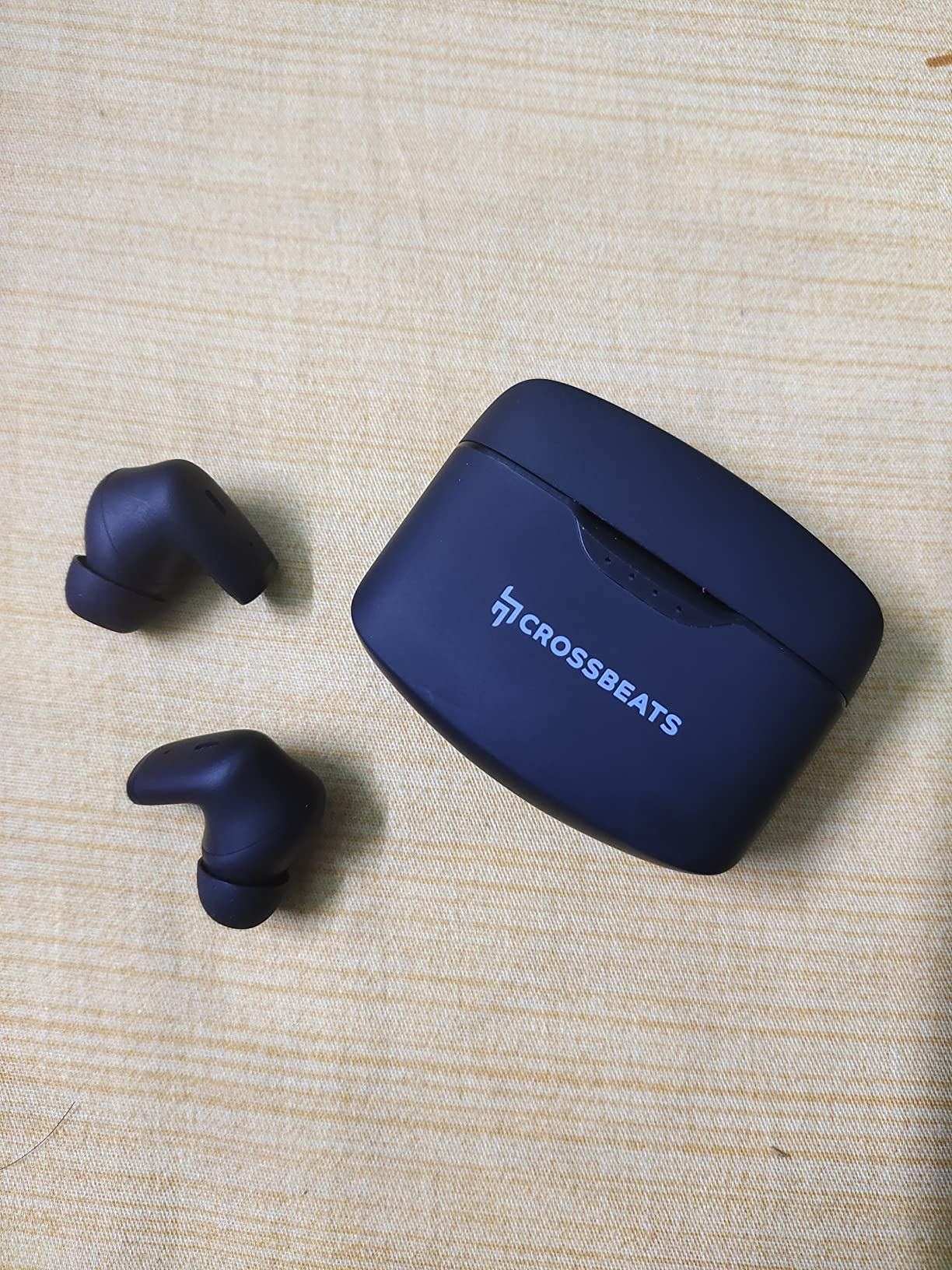
Wireless earbuds are borrowing a technique from virtual reality to make ordinary phone and video calls feel noticeably more natural. Tiny motion sensors track the position of the listener head many times per second, and the audio engine adjusts each voice so it seems to stay fixed in space rather than moving with the ears. On a group call, speakers can be placed slightly apart, one to the left, one ahead, one to the right, which helps the brain separate overlapping voices. Researchers in auditory perception have long known that spatial cues reduce listening effort, and callers in trials report less fatigue during long meetings. The same tracking improves film dialogue, anchoring speech to the screen when the viewer turns away briefly. Implementing it in earbuds is demanding, because any delay between head movement and audio adjustment feels worse than no effect at all. New low power chips complete the calculation in milliseconds while preserving battery life for a full working day. Microphone processing is improving alongside playback, isolating the wearer voice from café noise and wind. Manufacturers stress that tracking data stays on the device and can be disabled completely. The feature is arriving first in premium models before spreading downward.
What the Evidence Shows
Independent testers say the benefit is subtle at first and then difficult to give up, much like noise cancellation when it first appeared. Call participants sound like people seated around a table rather than voices inside the skull, which changes how interruptions and pauses are judged. Accessibility specialists are watching closely, because spatial separation may help listeners who struggle to follow group conversation in noise. Some systems now let users pin a particular speaker in place, keeping an interpreter or presenter steady while other voices move. Challenges remain outdoors, where rapid head turns while walking can make fixed positioning feel unnatural, so designers soften the effect when motion sensors detect travel. Battery trade offs also persist, with tracking and premium audio codecs together shortening listening time on smaller earbuds. Standards work aims to let the feature operate across phones, laptops and tablets rather than only within one brand. As prices fall, analysts expect head tracked audio to become an expected part of higher quality calls. The technology succeeds precisely because most users stop noticing it, leaving only the impression that conversation became easier. Reporting and analysis from sources such as IEEE Spectrum track the same developments, and specialists following head-tracked wireless earbuds say the direction is now consistent across independent lines of evidence.
The Wider Context
Adoption of head-tracked wireless earbuds follows a familiar pattern with an unfamiliar speed. Early users tolerate rough edges in exchange for advantage, mainstream users arrive when the tool disappears into existing workflows, and the market consolidates around whoever made that transition feel effortless. Vendors are racing less on raw performance now than on integration, support and trust.
What Happens Next
The realistic forecast for head-tracked wireless earbuds is steady integration rather than sudden replacement: embedded in products people already use, improving in increments, and regulated in proportion to its reach. The companies and institutions that plan on that basis, training staff and redesigning processes instead of chasing launches, are the ones the adoption data tends to vindicate. You can follow related developments in our coverage of technology.
It is also worth remembering how quickly the picture in this area has changed before. Positions that looked settled a few years ago have been revised as new data arrived, and the same humility is appropriate now. The strongest coverage of this subject, and the most useful advice, tends to come from sources that update their views openly when the facts move, rather than defending an earlier position long after it has stopped fitting the evidence available.
