

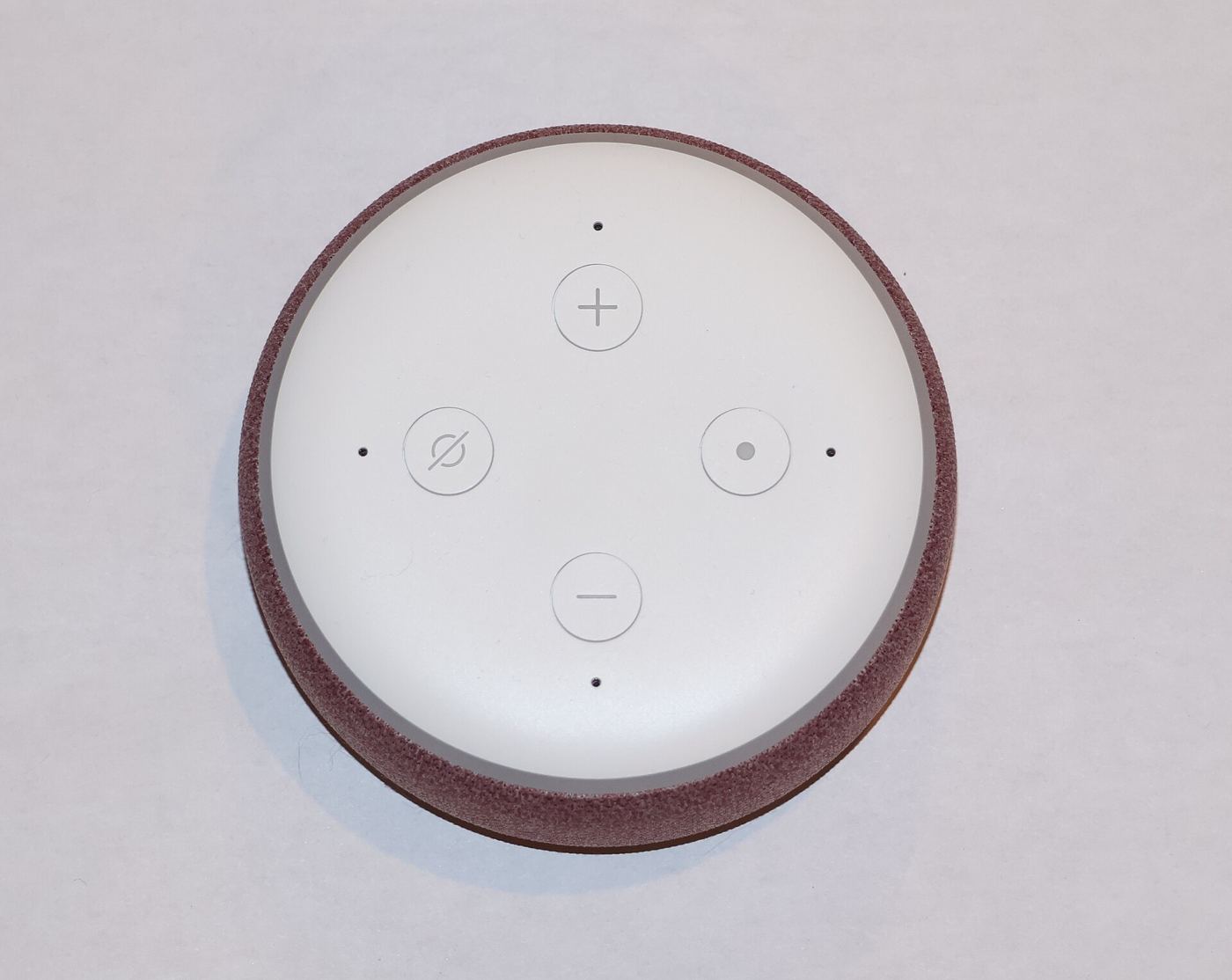
Households looking to cut their energy bills are turning to smart home devices that track exactly where electricity is going and switch things off when they are not needed. Smart plugs report how much power each appliance draws, thermostats learn when the house is empty and lower the heating, and lighting systems dim rooms nobody is using. Energy advisers say the savings come less from any single gadget than from the visibility they provide: many people are surprised to learn how much power a television on standby or an old fridge actually consumes. Once the waste is visible, simple changes follow, such as putting the washing machine on at off-peak hours or replacing the most power-hungry appliance first. Manufacturers say adoption is growing fastest among families facing high bills, who treat the devices as an investment rather than a novelty. The devices have become cheaper and easier to install in recent years, with many needing nothing more than a plug socket and a phone app to get started.
What the Evidence Shows
The technology has its critics, who point out that buying new gadgets to save energy can be self-defeating if the devices themselves are replaced every couple of years. Privacy is another concern, since a detailed record of when lights and appliances switch on reveals a great deal about the routines of the people inside. Experts advise buyers to choose devices from established brands with clear privacy policies, to keep their software updated, and to use a separate network for smart devices where possible. Compatibility remains a frustration, as products from different makers do not always work together, though new common standards are beginning to fix that. For households willing to put in a little setup effort, the devices offer a practical way to waste less power, and the savings, advisers say, are real if modest. Some energy suppliers now offer the devices at a discount, since households that can see their usage tend to use less power at peak times when electricity is most expensive to generate. Reporting and analysis from sources such as IEEE Spectrum track the same developments, and specialists following the energy-saving smart home say the direction is now consistent across independent lines of evidence.
The Wider Context
Adoption of the energy-saving smart home follows a familiar pattern with an unfamiliar speed. Early users tolerate rough edges in exchange for advantage, mainstream users arrive when the tool disappears into existing workflows, and the market consolidates around whoever made that transition feel effortless. Vendors are racing less on raw performance now than on integration, support and trust.
What Happens Next
The realistic forecast for the energy-saving smart home is steady integration rather than sudden replacement: embedded in products people already use, improving in increments, and regulated in proportion to its reach. The companies and institutions that plan on that basis, training staff and redesigning processes instead of chasing launches, are the ones the adoption data tends to vindicate. You can follow related developments in our coverage of technology.
It is also worth remembering how quickly the picture in this area has changed before. Positions that looked settled a few years ago have been revised as new data arrived, and the same humility is appropriate now. The strongest coverage of this subject, and the most useful advice, tends to come from sources that update their views openly when the facts move, rather than defending an earlier position long after it has stopped fitting the evidence available.
