

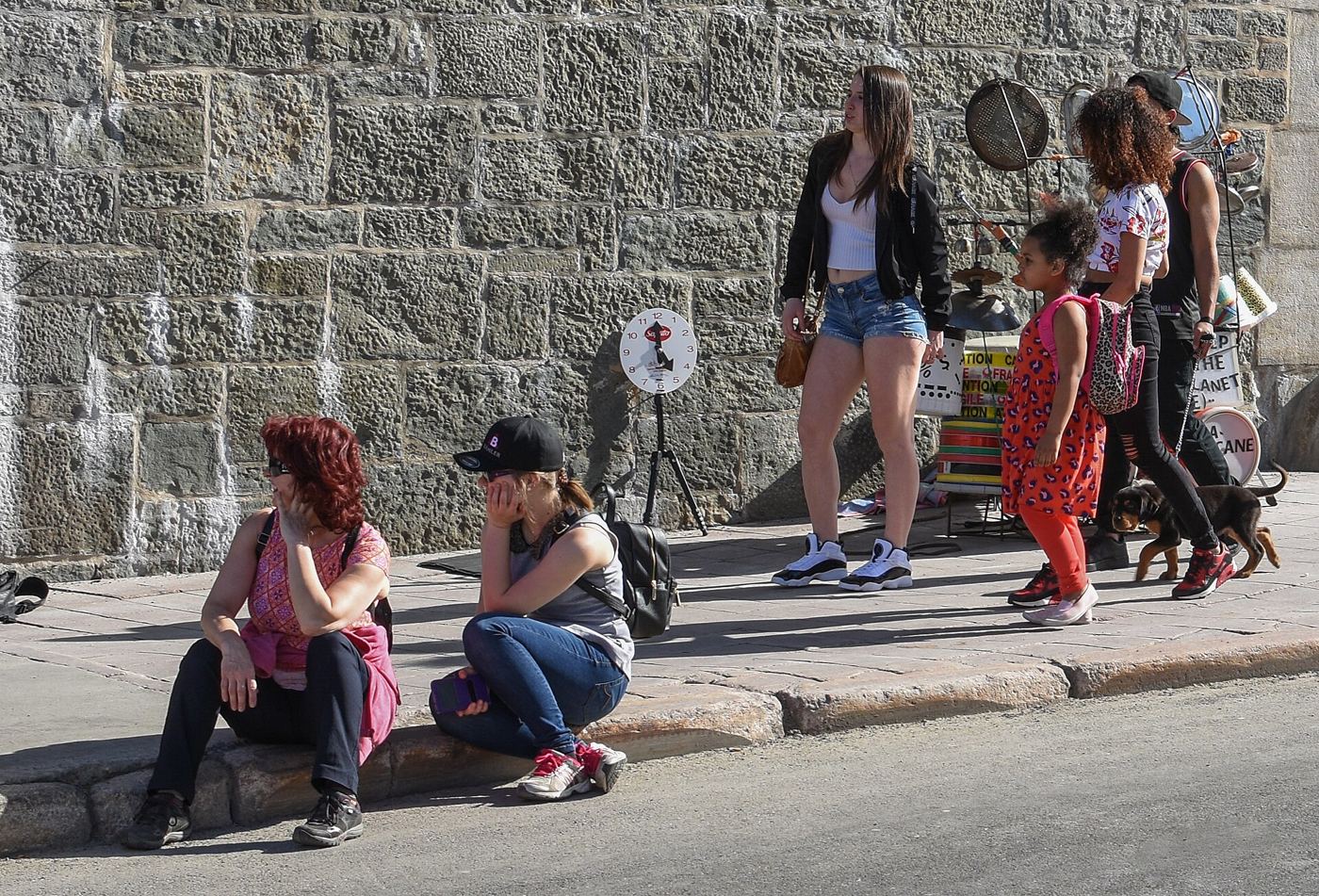
During a heatwave, the most dangerous place in a city is often the most ordinary one: a sun-baked pavement with no cover overhead. Researchers measuring surface temperatures have recorded asphalt in direct sun reaching more than twenty degrees hotter than the same surface in shade, and air at head height is noticeably cooler beneath trees and awnings. That gap matters for health, because heat illness rises sharply once the body can no longer shed warmth fast enough, and older people, young children and outdoor workers are affected first. Shade works in two ways at once. It blocks the direct radiation that heats skin and clothing, and trees add a second benefit as their leaves release water vapour that cools the surrounding air. City health teams are therefore treating shade as a practical safety measure, not a luxury, mapping where people wait, walk and queue outdoors and asking which of those routes offer no escape from the midday sun at all.
What the Evidence Shows
Several cities have begun redesigning streets with shade as a stated goal rather than an afterthought. Planners are planting trees along school walking routes, adding canopies over bus stops and market squares, and choosing building materials that reflect rather than store heat. Some are also changing the shape of new streets, using taller buildings and narrower carriageways to cast longer shadows during the hottest hours. The work is slowest where it is needed most, because poorer districts often have the fewest trees and the widest, most exposed roads. Community groups are helping by watering young street trees and reporting damaged ones, while councils experiment with fast-growing species that provide cover within a few years. Researchers caution that shade alone cannot solve extreme heat, and that cool drinking water, rest breaks and warning systems still matter. Even so, they say a shaded walk to school or to work is one of the cheapest protections a city can offer its residents. Reporting and analysis from sources such as Nature track the same developments, and specialists following the shaded city streets say the direction is now consistent across independent lines of evidence.
The Wider Context
The wider context is a research landscape in which replication and open data now decide reputations. Findings connected to the shaded city streets are being checked by independent groups with shared datasets, and the teams involved publish their methods in full so rivals can test every step. That discipline is slower than a headline cycle, but it is why results in this area increasingly survive first contact with scrutiny.
What Happens Next
What happens next in the story of the shaded city streets will be decided by follow-up work already under way: larger samples, longer observation and instruments that have not yet come online. The researchers involved are unusually united on one point, that the current results justify the next investment of time and money. Readers will not have to wait long for the first tests of that claim. You can follow related developments in our coverage of science.
None of this will be settled by a single announcement, study or product launch. The pattern to watch is accumulation: independent confirmations, honest reporting of failures and steady improvement in the underlying numbers. Readers who follow those signals, rather than the loudest claim of the week, will understand this subject better than most of the commentary surrounding it suggests is possible.
